More about Trichology

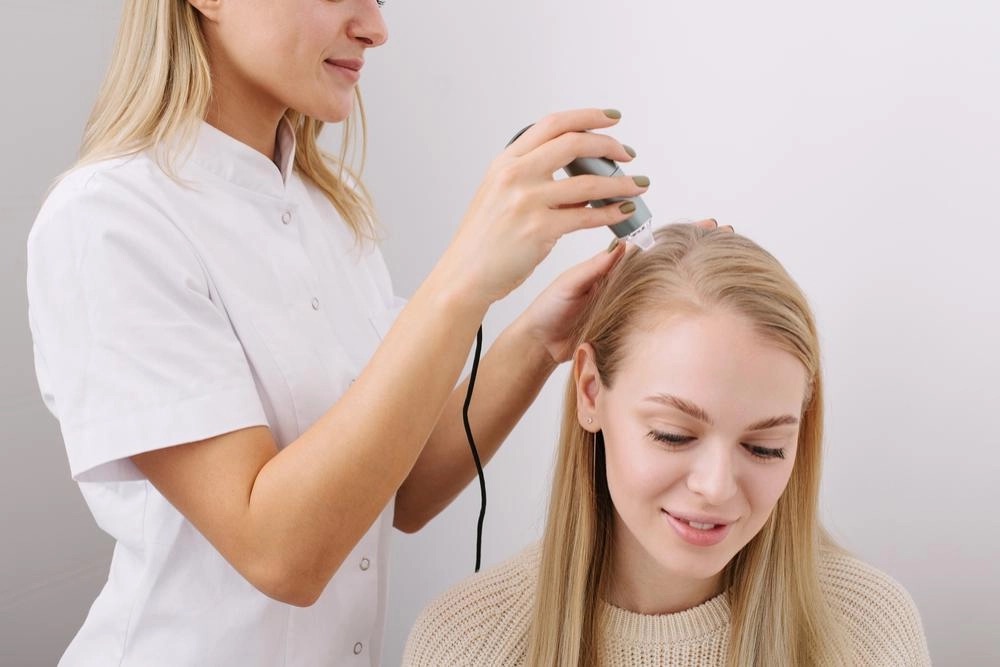
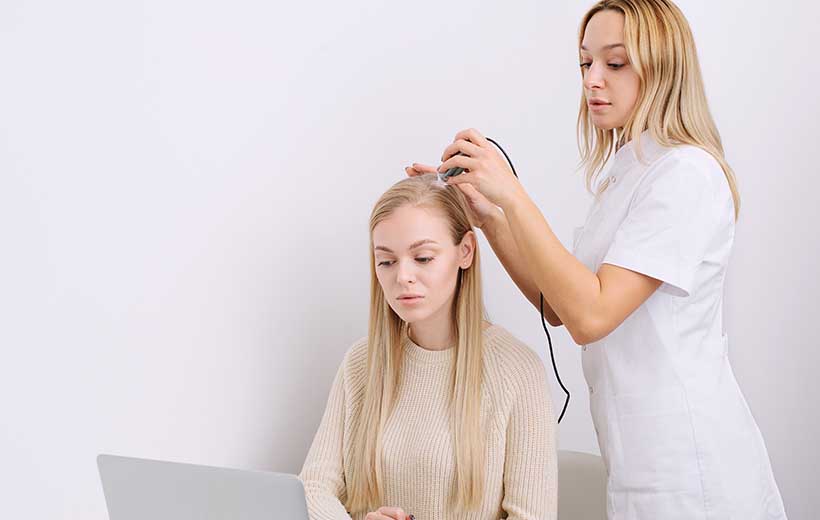
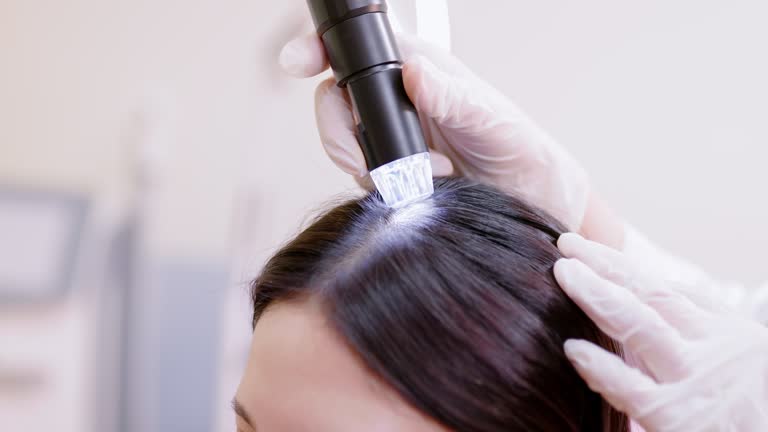
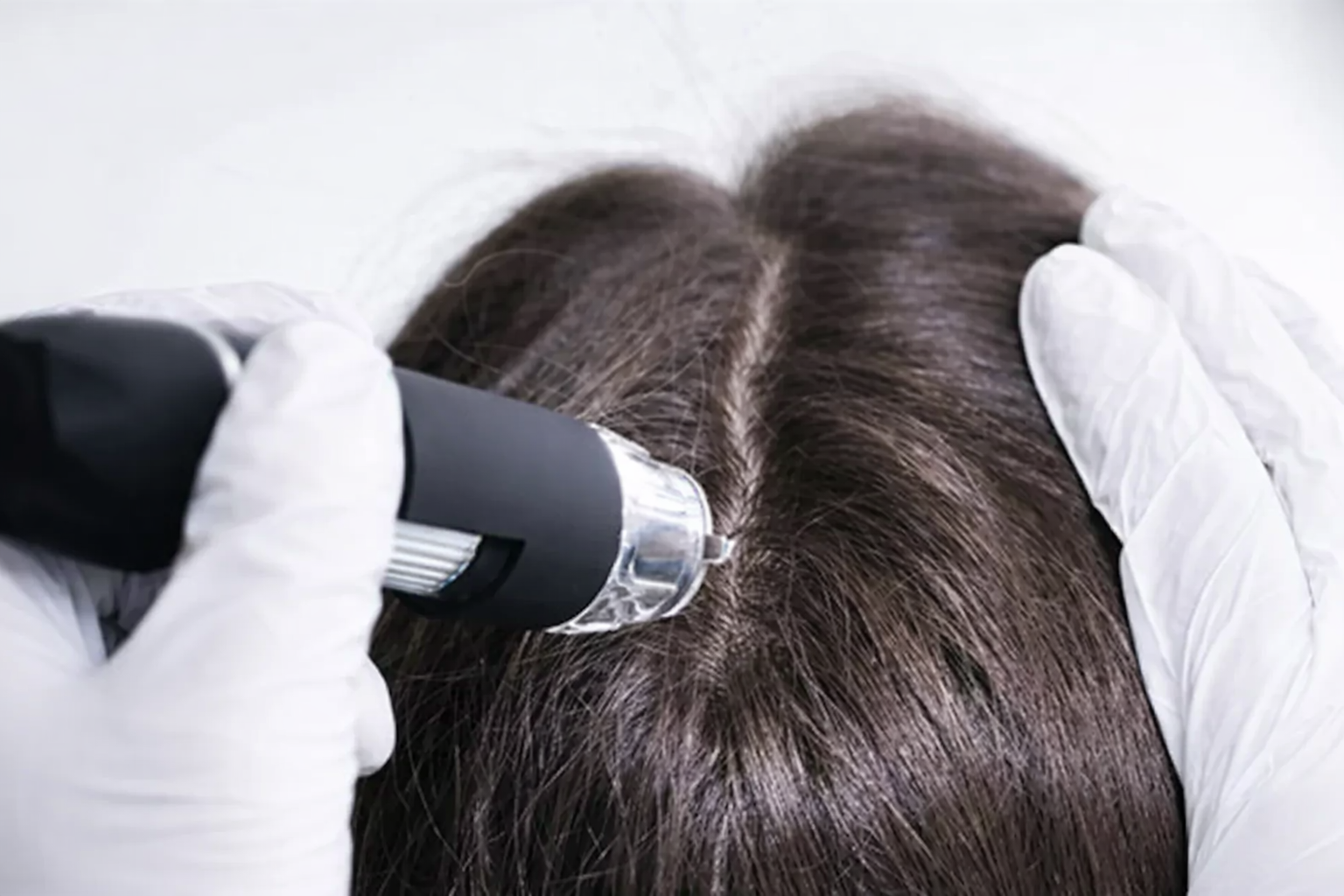
Trichological care at our studio begins with computer-based diagnostics of the scalp and hair, performed using specialized medical equipment. High optical magnification and digital data recording allow for a detailed assessment of the scalp condition, hair follicles, and hair structure.

Diagnostics make it possible to:

  • obtain an objective overview of the scalp and hair condition;

  • assess hair follicle activity and hair growth phases;

  • document hair density and quality;

  • identify changes that cannot be detected during a standard visual examination;

  • create a data baseline for monitoring treatment progress.

The collected data form the foundation for an individual trichological treatment protocol, which is adjusted throughout the course of treatment based on the scalp’s response and hair growth dynamics.

A defining feature of our trichological approach is a precise medical methodology, supported by the use of next-generation specialized equipment. The diagnostic technology we use currently has no equivalents in Finland.
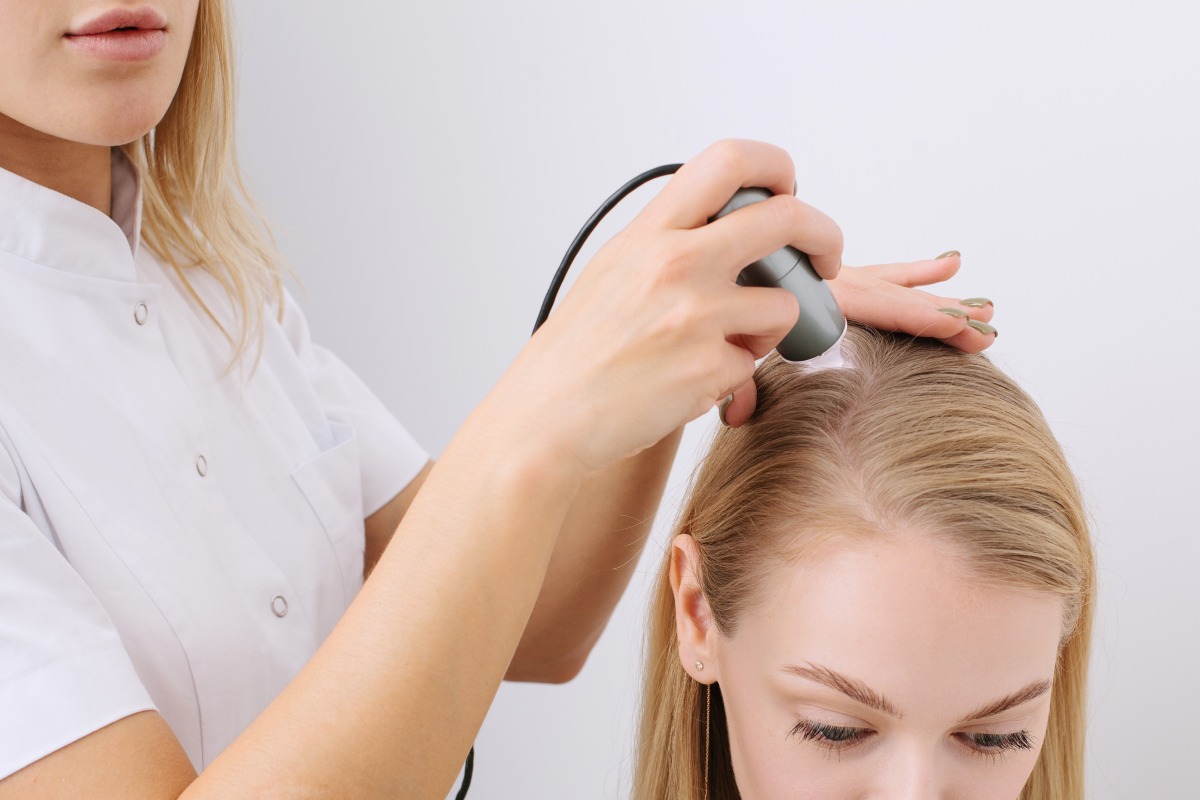
Computer-Based Diagnostics

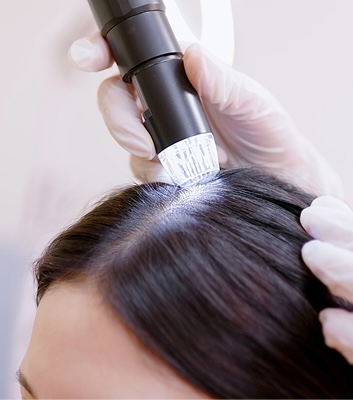
Trichology is a personalized medical approach to scalp and hair health. The procedure begins with computer-based diagnostics performed using high-precision equipment specifically designed for trichological research. The comfortable examination format allows for a detailed assessment of the scalp and hair condition, creating a sense of confidence and full control throughout the recovery process.

  • Androgenetic Alopecia (AGA)

    Managing AGA requires precise diagnostics and a systematic approach. We assess the condition of hair follicles, hair density, and growth phases, then develop a treatment plan aimed at slowing the process and supporting active follicles.

  • Hair Loss

    Increased hair loss may be associated with various factors, including stress, hormonal changes, impaired scalp microcirculation, or deficiency conditions. Diagnostics help identify the underlying mechanism and establish an effective recovery strategy.

  • Chronic Hair Loss

    In cases of long-term hair loss, it is essential to evaluate the progression of the condition and the state of the scalp. Trichological care focuses on restoring physiological processes, improving follicle nourishment, and supporting a healthy hair growth cycle.

  • Postpartum Hair Loss

    Hair loss after pregnancy and childbirth is related to hormonal changes in the body. A trichologist helps gently support the scalp and hair follicles during this period while monitoring the recovery of hair growth.

  • Seborrheic Dermatitis of the Scalp

    This condition is characterized by inflammation, itching, and dysfunction of the sebaceous glands. Treatment is aimed at normalizing scalp condition, reducing inflammation, and restoring skin balance.

  • Dry Dandruff

    Dryness and flaking of the scalp are often associated with a compromised skin barrier. A trichological approach helps restore the hydrolipid balance and improve overall scalp health.

  • Oily Dandruff

    Excessive sebaceous activity and inflammatory processes require comprehensive and individualized management. Treatment focuses on regulating sebum production and improving scalp condition.

  • Slow Hair Growth

    When hair grows slowly or becomes thinner, it is important to assess follicle activity and scalp microcirculation. Trichological care creates favorable conditions for supporting physiological hair growth and improving hair quality.

Indications

  • increased or progressive hair loss;

  • chronic hair loss;

  • hair thinning and reduced density;

  • slow hair growth;

  • androgenetic alopecia (AGA);

  • postpartum hair loss;

  • seborrheic dermatitis of the scalp;

  • dry dandruff;

  • oily dandruff;

  • itching, increased sensitivity, or discomfort of the scalp;

  • deterioration of hair and scalp condition without an obvious cause;

  • the desire to obtain an objective assessment of scalp and hair condition and to select a personalized treatment plan.

Contraindications

  • acute viral and infectious diseases;

  • oncological diseases (without approval from the treating physician);

  • epilepsy;

  • pronounced inflammatory processes of the scalp in the acute phase;

  • disruption of skin integrity in the examination or treatment area.

1 Stage

The appointment begins with computer-based diagnostics of the scalp and hair, performed using next-generation specialized medical equipment. The examination allows for a detailed assessment of the scalp, hair follicles, and hair structure, documentation of baseline parameters, and determination of the direction of further treatment.


2 Stage

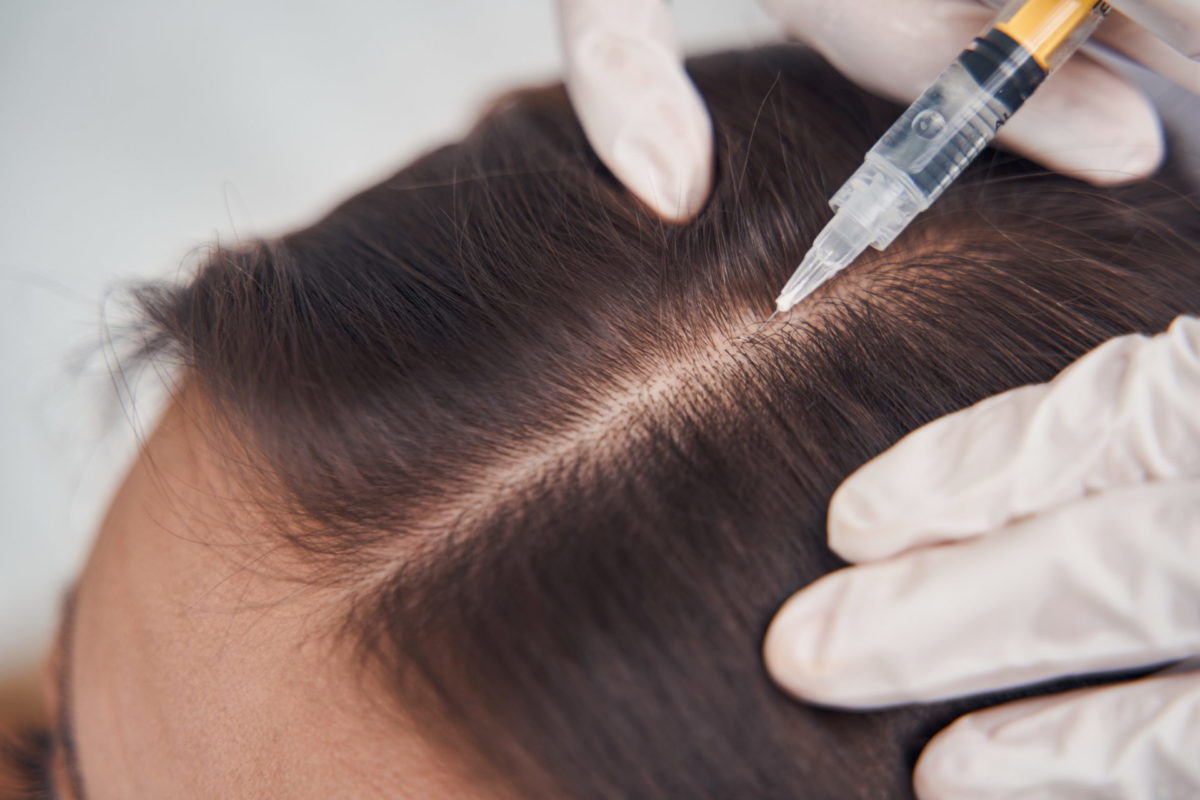
Based on the diagnostic results, the trichologist develops an individualized treatment plan, which is carried out at our studio. Procedures are selected according to the condition of the scalp, follicle activity, and treatment goals. The entire process is supervised by a specialist.

3 Stage

To enhance and maintain the results, the trichologist selects a personalized home care regimen. Recommendations are based on diagnostic data and include products and usage protocols aimed at supporting scalp health and hair growth.

4 Stage

Upon completion of the treatment phase, a follow-up computer-based diagnostic assessment is provided free of charge. This allows for an objective evaluation of progress, documentation of results, and adjustment of further recommendations if necessary.

Trichological Diagnostic System

Next-Generation Medical Equipment

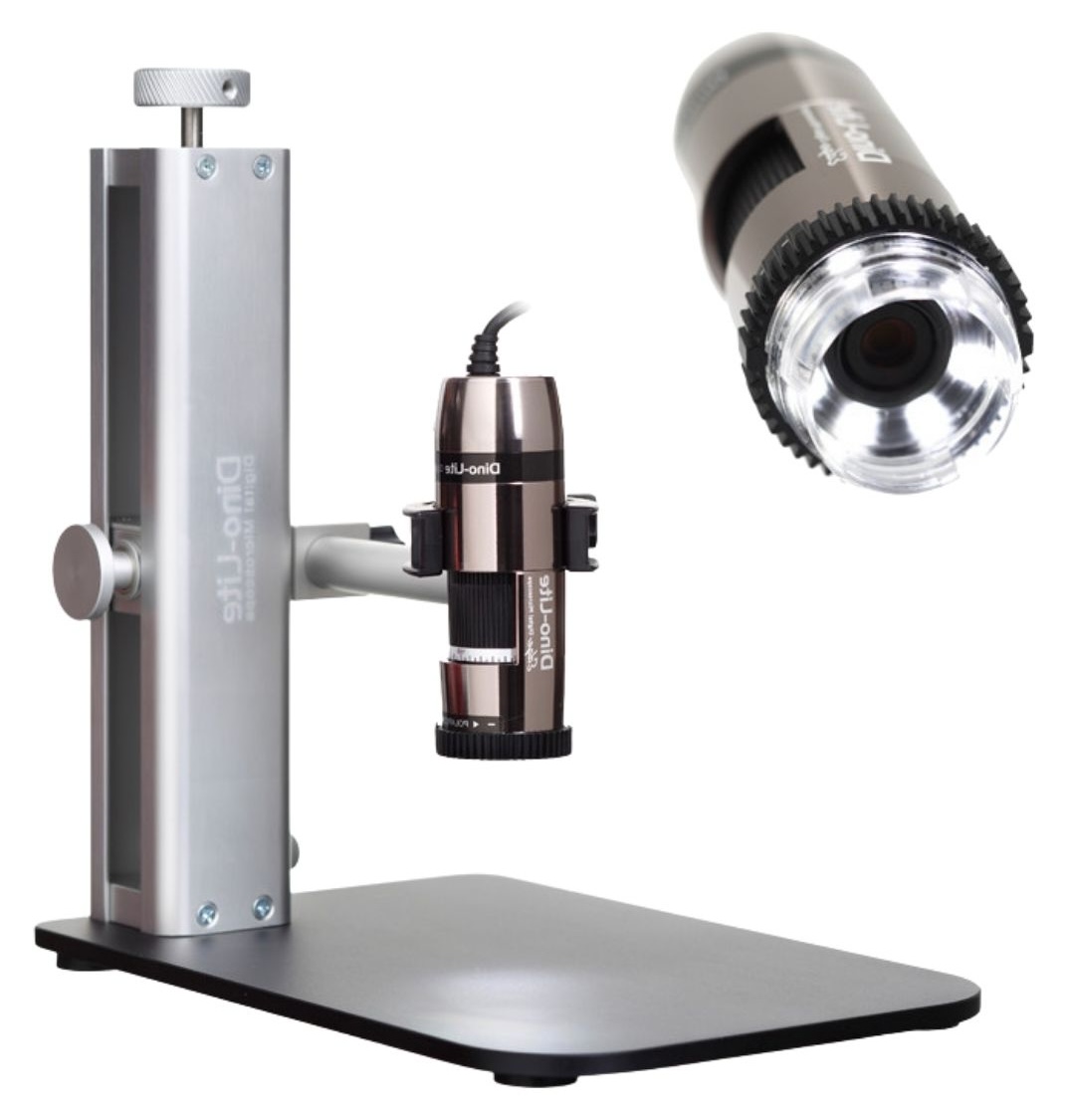
Our studio uses a specialized computer-based system for scalp and hair diagnostics, developed for professional trichological practice. The equipment provides high-precision optical magnification and digital analysis of the scalp condition, hair follicles, and hair structure.

The system is equipped with advanced sensors and software that allow objective parameters to be recorded and stored for future comparison. This makes it possible not only to accurately assess the current condition but also to monitor the dynamics of treatment results over time.

Diagnostics allow for the evaluation of:

  • the condition of the scalp and its physiological characteristics;

  • hair density and quality of growth;

  • hair follicle activity;

  • hair structure and thickness;

  • early-stage changes that are not detectable during a standard visual examination.

The equipment used belongs to next-generation medical systems and currently has no equivalents in Finland, enabling diagnostics and treatment monitoring at the highest level of accuracy.